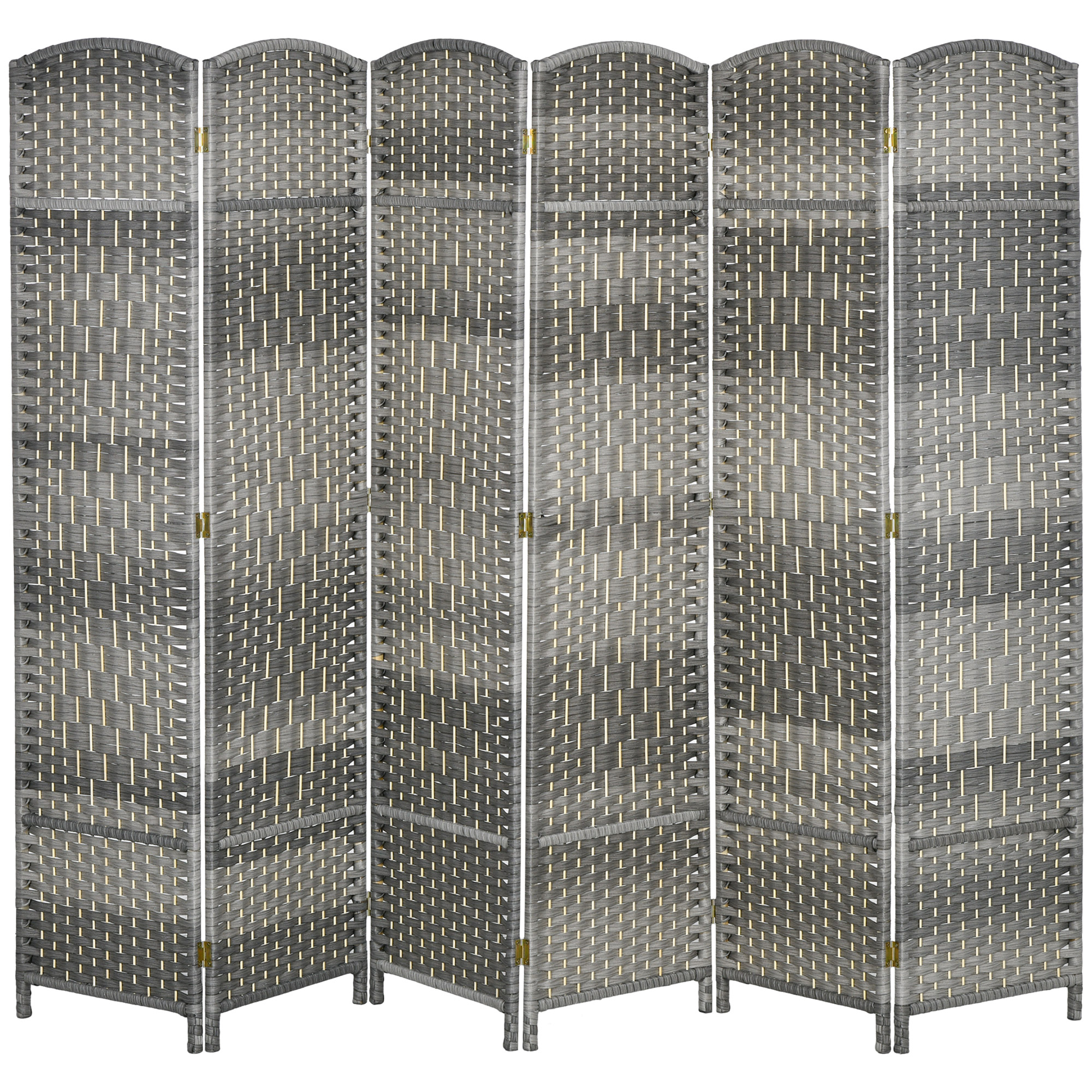
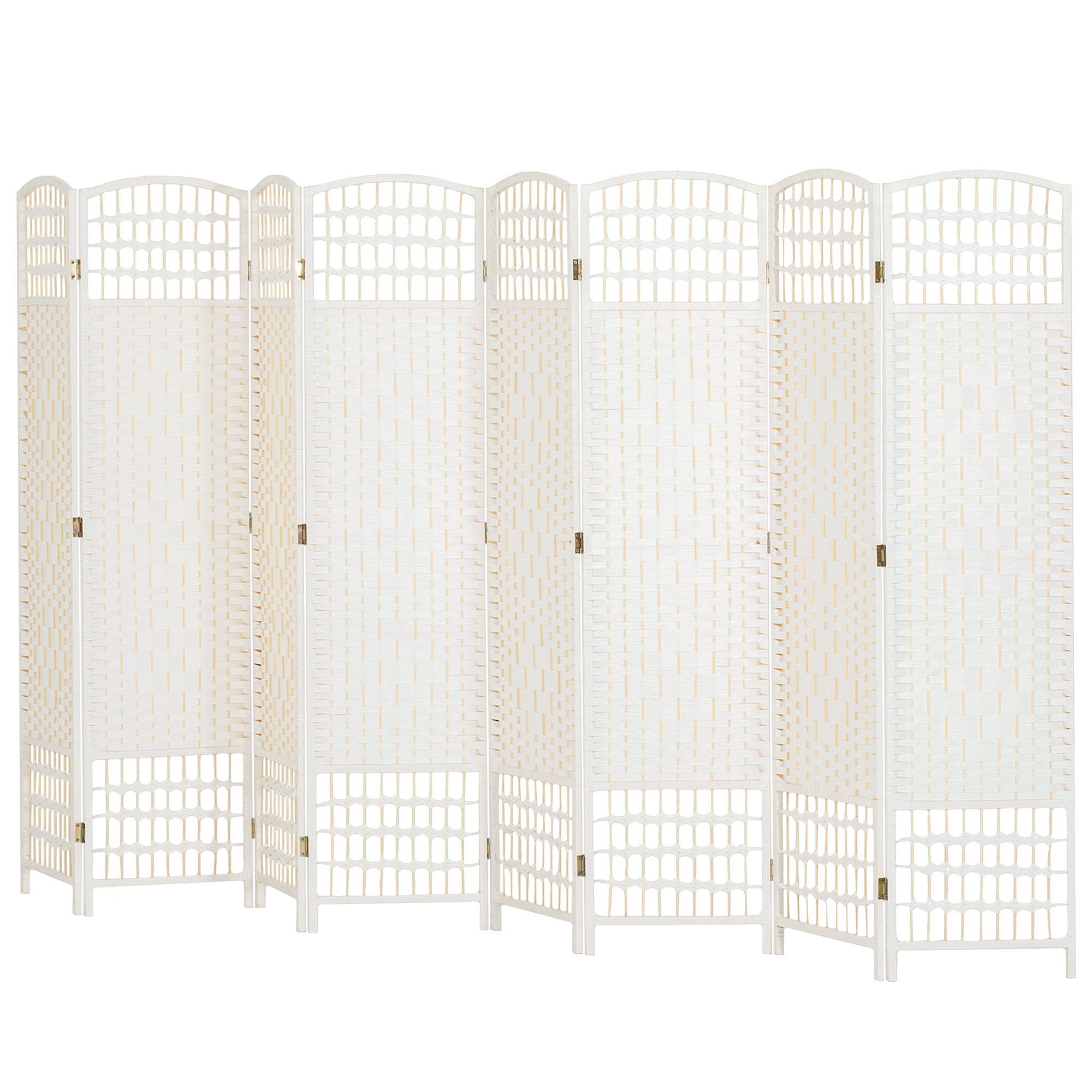
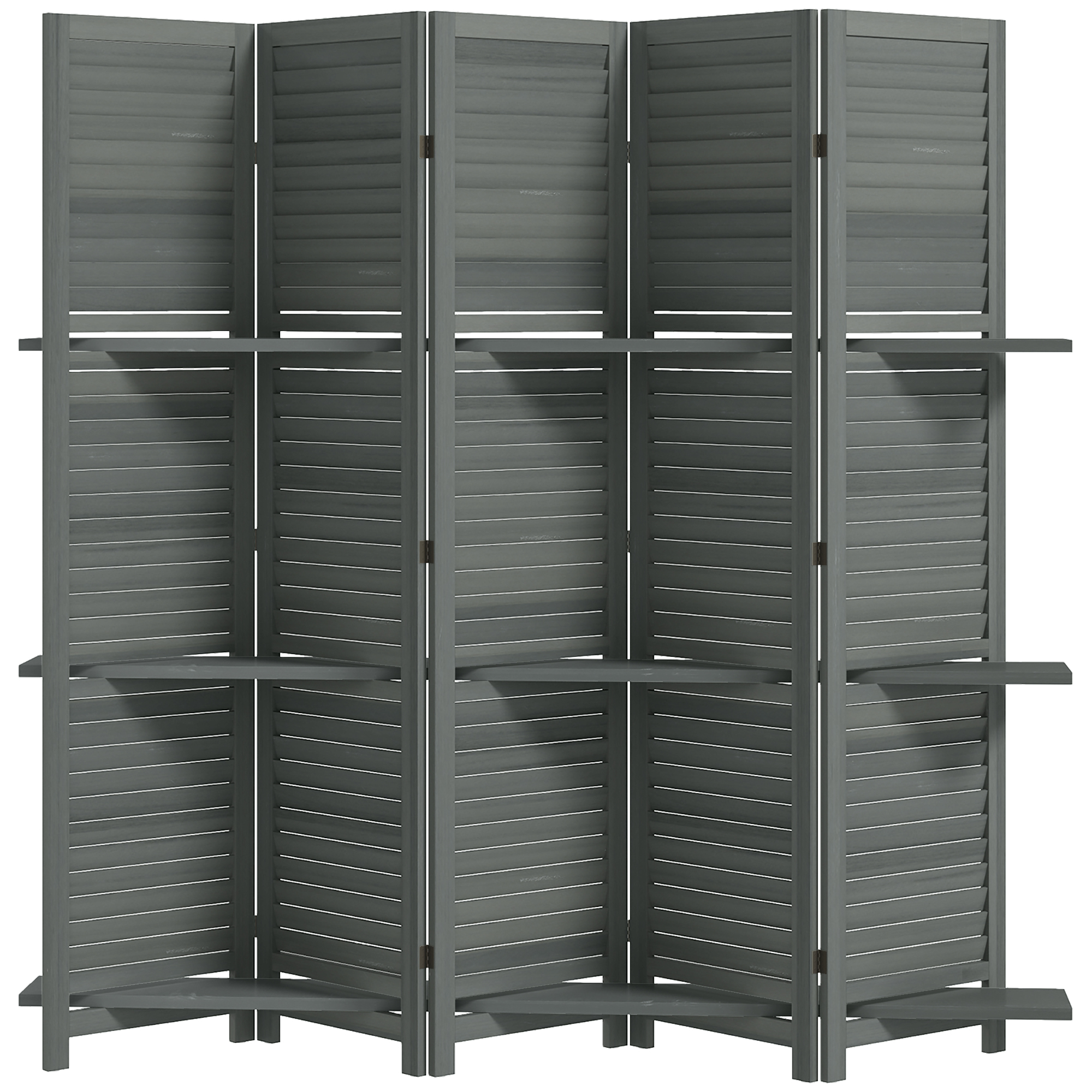
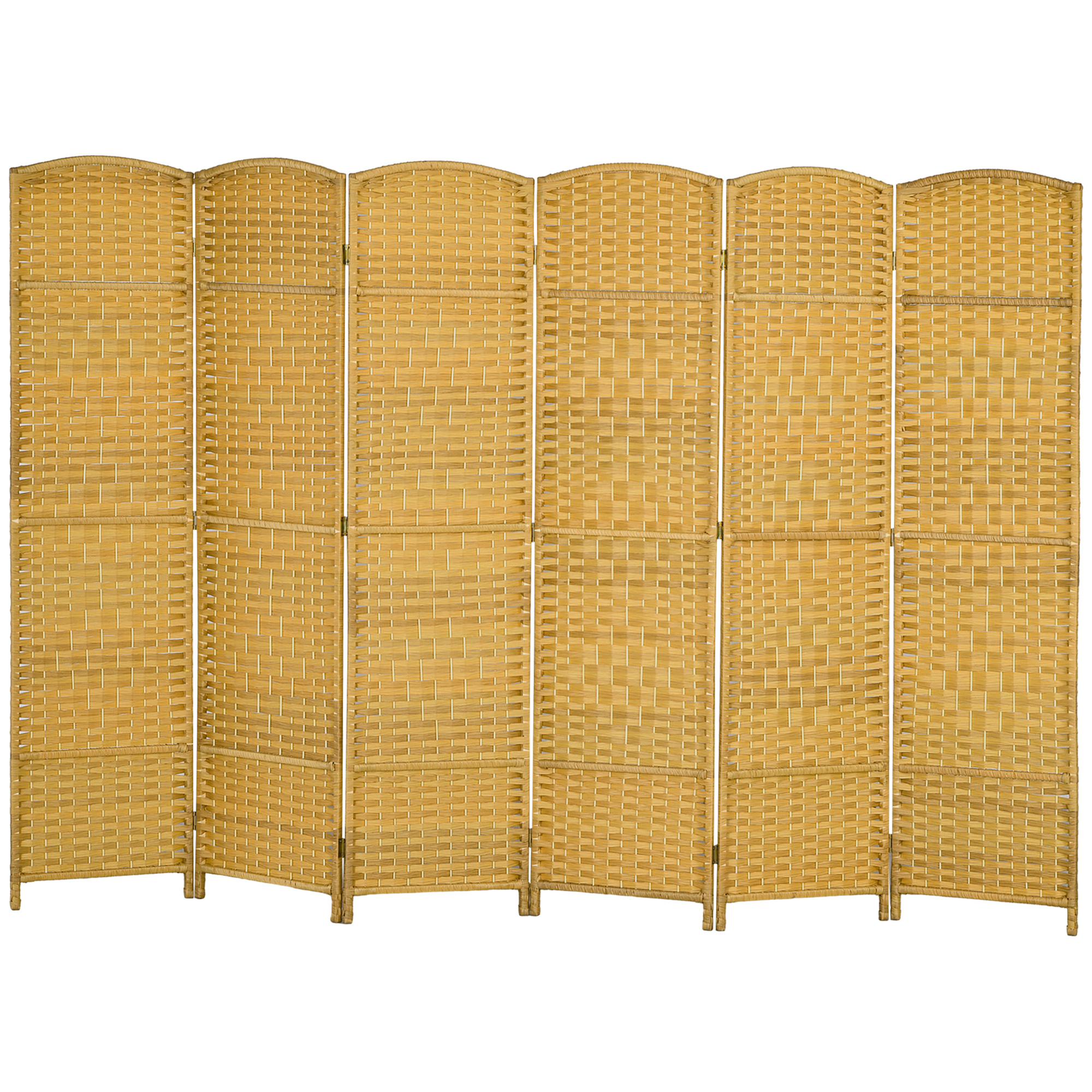
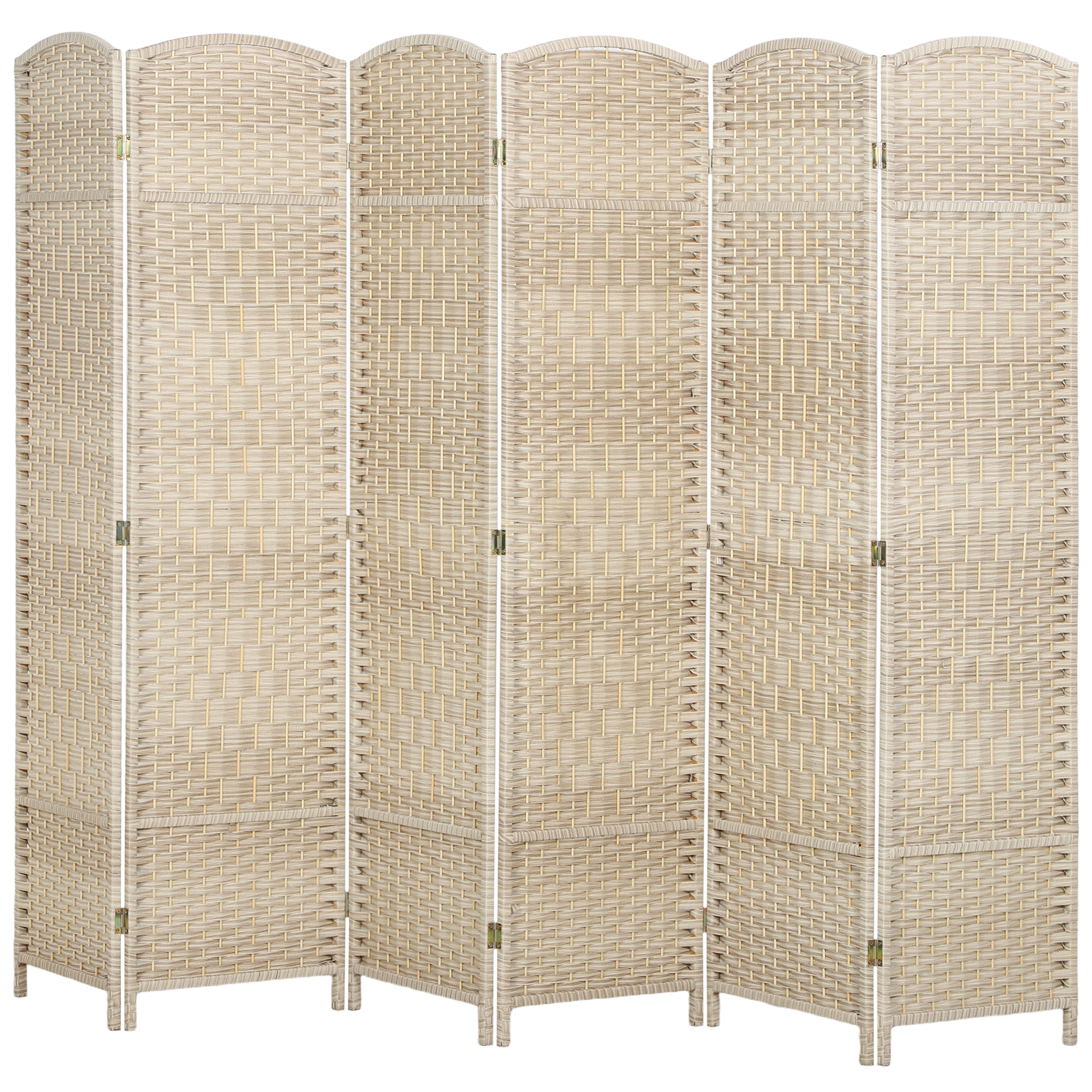
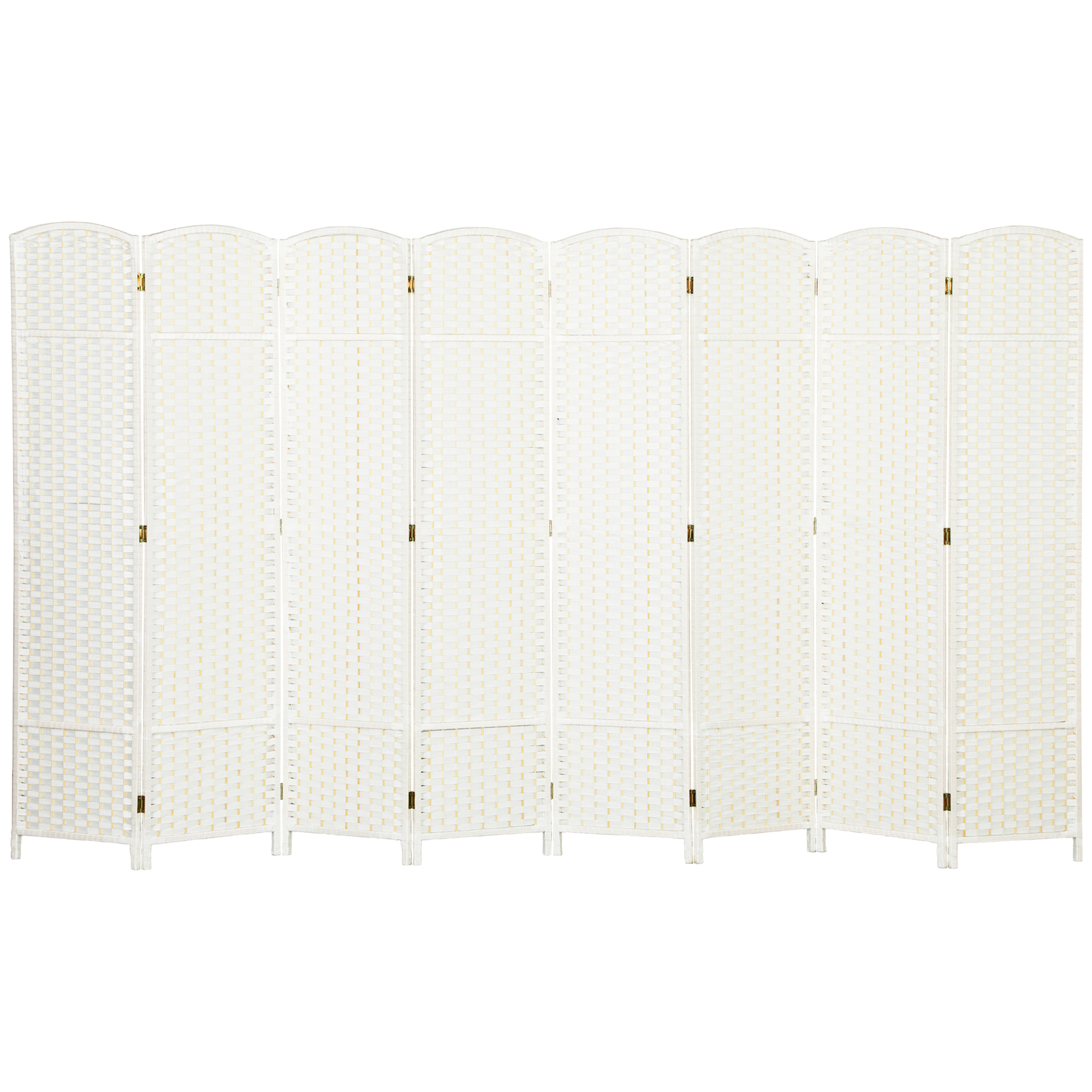
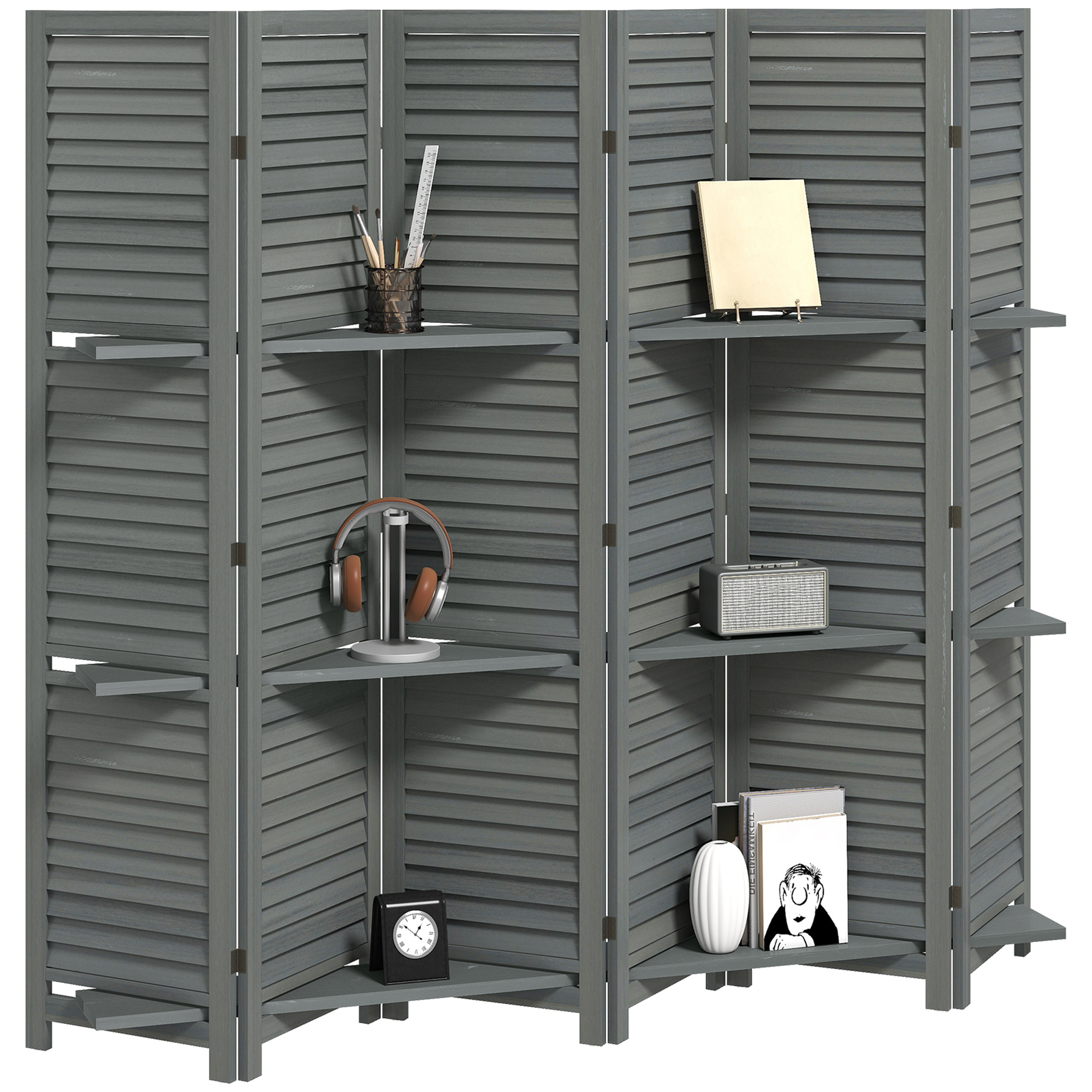
Practical layouts with useful everyday organization.
Choosing HOMCOM Room Dividers for real daily use
HOMCOM Room Dividers is most useful when it solves a clear need in apartments, bedrooms and shared rooms, with flexible ideas for privacy and space planning. Start with the routine, not the photograph: decide who will use the piece, how often it will be used and what has to remain within reach. The category should shape the room visually, define zones or add a useful decorative focal point without making the layout feel closed in. The strongest layouts define a purpose for each zone while still preserving sightlines and an easy route across the room.
Measure before comparing finishes
Measure the wall, sightline, floor position and passing space, then consider how the piece will look from the doorway and the main seating area. It is also worth checking the full route into the room, especially when a hallway, doorway, stairs or a shared living area is involved. Mark the footprint with tape if possible, then open nearby doors and pull out nearby chairs or drawers. Choose the version that removes the most friction from a repeated routine, not simply the version with the most features.
Focus on the details that change everyday comfort
Compare proportions, finish, stability, mounting or placement needs and whether the piece should reflect light, screen an area, display objects or anchor a layout. Read the dimensions as a complete set rather than focusing on one number. Height affects reach and sightlines, depth changes circulation, and internal space or seating proportions determine whether the item will stay useful after the room is fully furnished. Use visual pieces to clarify the room rather than fill it: leave breathing space around them and coordinate the finish with nearby furniture for a calmer result.
Build a connected room plan
HOMCOM Room Dividers rarely works in isolation. For a more coherent layout, compare it with HOMCOM Living Room Furniture, HOMCOM Bookshelves, and HOMCOM Wall Shelves. These related categories help you coordinate scale, access and storage instead of solving one problem while creating another. Keep the main route clear, leave enough visual breathing room and choose finishes that work with the pieces already in the room.
Before making a final choice, review the assembled dimensions, care guidance, installation or assembly requirements and the everyday objects that will live on, in or beside the piece. A considered choice will feel natural in the room from the first use.
Frequently Asked Questions
How do I choose the right size for HOMCOM Room Dividers?-
Start with the available footprint and the route through the room. Measure the wall, sightline, floor position and passing space, then consider how the piece will look from the doorway and the main seating area.
Which details matter most for everyday use?+
Compare proportions, finish, stability, mounting or placement needs and whether the piece should reflect light, screen an area, display objects or anchor a layout. The strongest layouts define a purpose for each zone while still preserving sightlines and an easy route across the room.
Can HOMCOM Room Dividers work in a smaller room?+
Yes, when the layout keeps the main walkway clear and the item has a defined job. Use visual pieces to clarify the room rather than fill it: leave breathing space around them and coordinate the finish with nearby furniture for a calmer result.
Which related categories should I compare with HOMCOM Room Dividers?+
Compare proportion and function with HOMCOM Living Room Furniture, HOMCOM Bookshelves, HOMCOM Wall Shelves. The most useful combination depends on the room routine, not on matching every piece.
How can I keep this category practical over time?+
Plan where frequently used items will go, follow the relevant care guidance and leave enough clearance to clean, open or move the piece comfortably.
What should I confirm before making a final choice?+
Review assembled dimensions, materials, care, installation or assembly needs, weight or load guidance where relevant, and the clearance around nearby doors and furniture.
Privacy controls
Your privacy choices
For visitors in the United States, United Kingdom and Canada, we use strictly necessary technologies to operate this site. With your permission, optional technologies may be used for analytics and marketing. You can change your choice at any time in Cookie Settings. Privacy & Cookie Notice
Privacy controls
Cookie preferences
Choose which optional technologies this site may load. Rejecting them will not prevent you from browsing products or using essential site features.
Strictly necessary
Required for core functions, security and remembering your privacy selection. These cannot be switched off.